
REVIEW · MONTENEGRIN FOOD & WINE TRAILS
Balkan pita making culinary experience
Pita dough teaches patience fast. This private cooking class in a village home outside Podgorica turns Balkan pita into a real skill, not just a meal. I love the hands-on instruction and the chance to learn the tricky step of spreading the dough the traditional way, then watching it bake into lunch you helped create. The main thing to consider is that you need a bit of willingness to get flour on your hands and slow down for the dough work.
If you only want restaurant speed, this might feel like too much craft time. Also, the start and finish are back at the meeting point in Podgorica, so plan for the village drive, unless you use the optional hotel pickup and drop-off.
In This Review
- Key things to know before you go
- Balkan pita in a real village kitchen
- Why pita feels harder than it looks
- From Podgorica to a village home (and why that matters)
- Dough first, because shortcuts do not work here
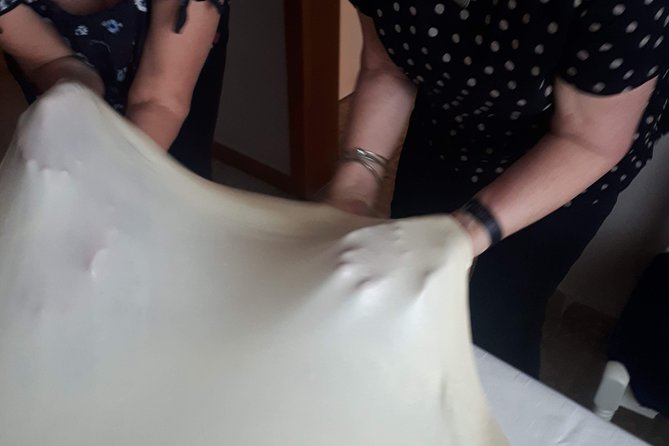
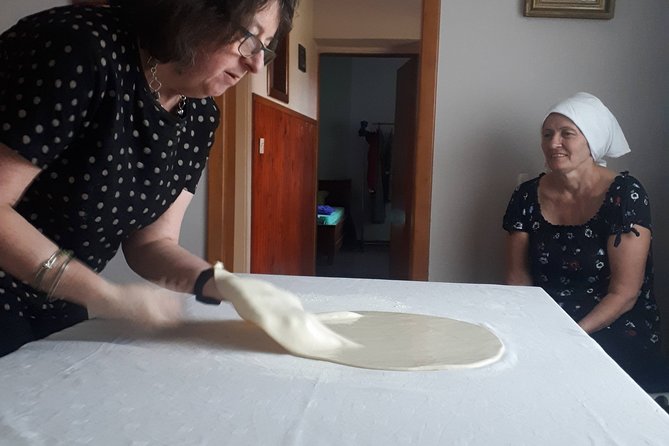
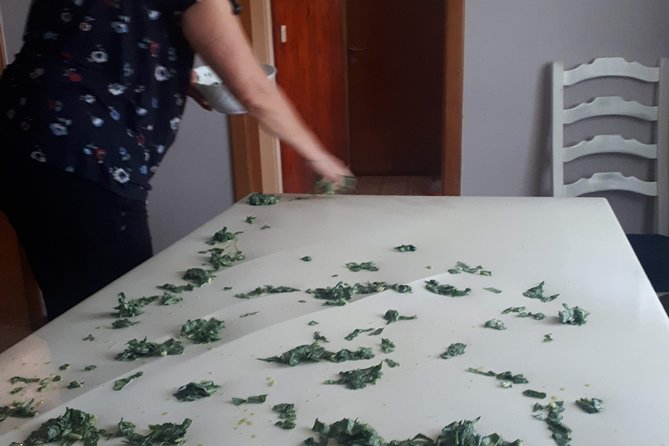
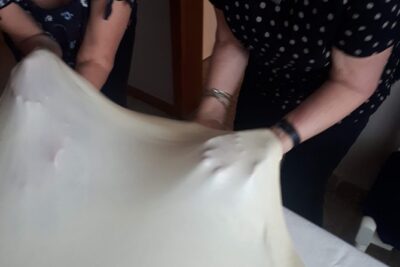
- The tricky moment, spreading the dough on the table
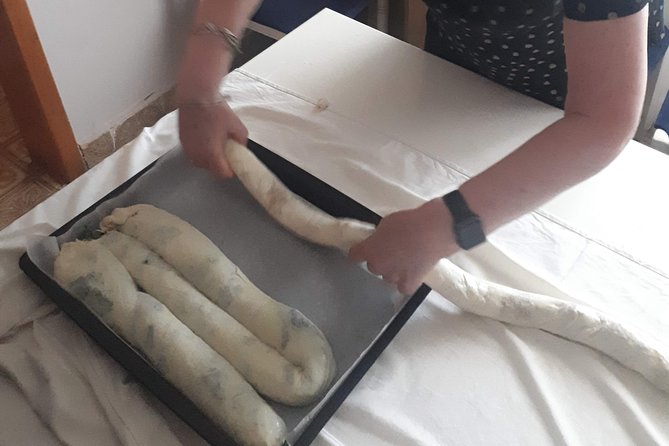
- From dough to the oven, making burek and zeljanica
- Lunch is included, and it is part of the point
- Price and logistics: is $50 good value for a private class?
- The private factor, how it changes your learning curve
- Practical tips so your dough day goes smoothly
- Who should book this pita class near Podgorica?
- FAQ
- What time does the pita making class start?
- How long is the experience?
- Is this tour private?
- Where does the class take place?
- Is hotel pickup available?
- What dishes are included in lunch?
- Are alcoholic beverages included?
- Can most people participate even if they are not experienced?
- Are service animals allowed?
- Can I cancel and get a refund?
- Should you book this private Balkan pita class near Podgorica?
Key things to know before you go
- Private household class with only your group, so you get real back-and-forth help
- Dough spreading is the star skill, and the host shows what to do when it feels impossible
- Balkan pita lunch is included, focused on burek and zeljanica
- Village setting outside Podgorica, which makes it feel more like a family kitchen than a studio
- Pickup option if you do not have a vehicle, which makes logistics easier
- Host-led history talk, including context about the food and area from the family side
More tables, cellars and long lunches
- Podgorica Historic, Safari and Winery tour – Skadar lake and River Crnojevica★ 4.5 · 39 reviews
- Skadar Lake & Crnojevića River: Swimming, Snacks & Wine★ 4.5 · 36 reviews
- Podgorica Car Trip – Architecture, History, Wine tasting, Churches, Doclea city★ 5.0 · 20 reviews
- National parks and wine tasting (NP Lovcen, NP Skadar lake, Cetinje, Njegusi)★ 5.0 · 16 reviews
Balkan pita in a real village kitchen
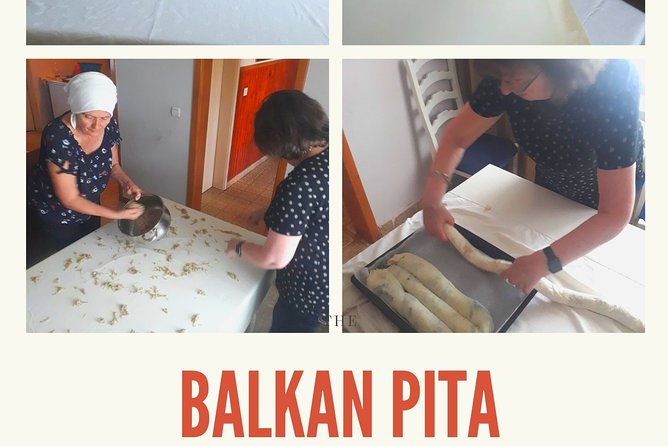
Balkan pita is one of those foods that looks simple until you try it. Then you realize it is mostly technique: dough texture, stretching, layering, and timing. This experience is interesting because it focuses on the part most people skip when they just order food. You are taught to make pita dough, you spread it out on the table, and you see how that careful handling turns into baked pastries you can actually recognize as burek and zeljanica.
I like that the class is built around a home kitchen setup, not a demo you stand around for. You are doing the work, learning by doing, and eating what comes out of the oven. And since the class is private, you are not rushing through the steps while strangers fumble for the same rolling pin.
Why pita feels harder than it looks
The description highlights the spreading stage because it is the moment where most beginners struggle. The dough needs the right feel and tension, or it tears or shrinks back. The host teaches the practical method so you can get it thin and even enough to work with. That is where the satisfaction comes from, because your finished lunch is proof that you learned something.
From Podgorica to a village home (and why that matters)
The class starts at 10:00 am in Podgorica and ends back at the meeting point. From there, you head to a local village household outside Podgorica. That short “escape” from the city is more than scenic. It changes the vibe. Kitchens in homes run on routines, not show schedules. You tend to get more careful explanations, and the work happens at a human pace.
There is an optional hotel pickup and drop-off if you do not have a car. That is a big deal in Montenegro, where a taxi ride can be fine but adds cost and uncertainty. With pickup included as an option, you can spend your energy on the lesson instead of planning transport.
Also, the tour uses a mobile ticket and you can find it near public transportation. So even if you are moving around Podgorica by foot or bus, getting to the meeting point should be manageable.
Dough first, because shortcuts do not work here
The class centers on making pita dough, the base for regional dishes like burek. The key is that you do not just get a recipe handed to you at the end. You learn the process while it is happening. When someone teaches you in the moment, you can ask questions like:
- What texture should it reach before you start spreading?
- How do you handle dough so it does not fight you?
- What mistakes to avoid next round?
The experience says that at arrival, the host meets you and explains the process. Then you work together in the kitchen with the family setup. That matters because dough is sensitive. Small changes in handling affect the result, and learning what to look for is more useful than memorizing measurements.
- Skadar Lake National Park Guided Boat Tour with Wooden Boat
★ 5.0 · 91 reviews - Best from our coast (Kotor bay, Budva, Sv Stefan, Skadar lake)
★ 5.0 · 79 reviews - GREAT MONTENEGRO TOUR Cetinje – Njeguši – Kotor – Budva – Bečići – Saint Stefan
★ 5.0 · 69 reviews - Skadar Lake National Park: Guided Boat Tour to Kom Monastery
★ 4.5 · 49 reviews - Private transfers from Podgorica Airport and city to Budva
★ 5.0 · 41 reviews
The tricky moment, spreading the dough on the table
This is the part people talk about most for a reason. The class makes spreading the dough feel like the main event, because it is. When you watch it done right, it looks effortless. When you try it, the dough may stick, tear, or shrink. The lesson focuses on getting you past that wall.
Here is how to think about it while you are learning. You are not aiming for perfection on the first try. You are aiming for the right feel: dough that can be stretched without panicking, and a stretching method that keeps it workable. Once you understand the idea behind the technique, the process turns from stressful to satisfying.
In a family-led setting, you also tend to get more practical fixes. A host can adjust your approach quickly, like changing how you lift, how you stretch, or how you move your hands across the surface. That one-on-one guidance is what makes this kind of class hard to replicate on your own.
And yes, you should expect flour and dough on the table and your hands. It is part of learning a real kitchen skill.
From dough to the oven, making burek and zeljanica
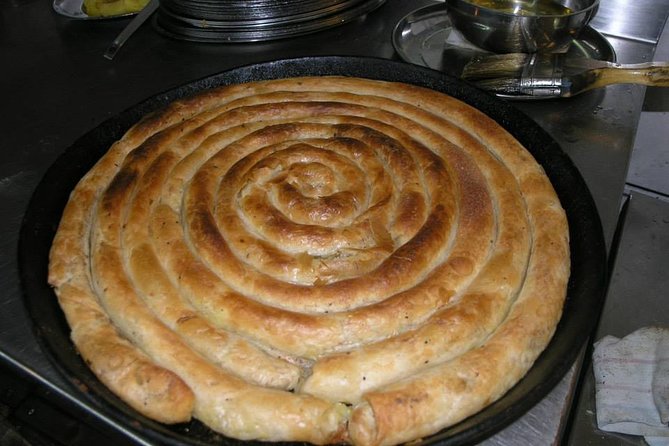
After the dough stage, you bake the pita. The included lunch is built around balkan pita dishes, specifically burek and zeljanica.
Those two are a nice combo for a class because they teach you more than one flavor direction. Burek is the classic savory baked pie style most people recognize, while zeljanica brings a greens-forward twist that feels distinctly regional. Even if you already like these foods, making them adds a new layer: you understand how dough behavior and filling choices interact.
The experience also notes that once the pita is baked in the oven, you get to enjoy a meal of what you made. That part is more than eating. It is immediate feedback. When you taste what your dough handling produced, you connect the technique to the outcome, and that makes the lesson stick.
Lunch is included, and it is part of the point
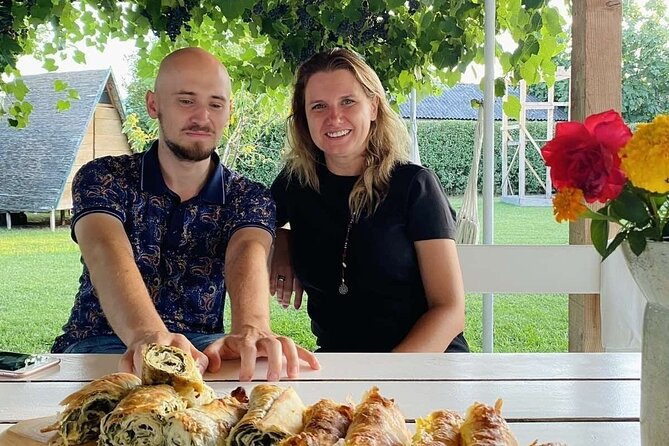
This is not one of those cooking tours where you make one bite and then leave. Lunch is included, and it is tied directly to your work in the kitchen. That matters because you get to eat in the same family setting where you learned.
The experience format also feels designed for real learning: you make dough, you spread it, you bake it, and then you eat. For many people, the biggest value is that full loop. You get hands-on practice plus the reward meal.
If you want drinks, alcoholic beverages are not included, and drinks are optional. That means you can choose what you want without the class automatically assuming you will add alcohol.
Price and logistics: is $50 good value for a private class?
For about 2 hours 30 minutes and a $50 price, I think the value comes from what you are buying:
- a private, household-style lesson (not a shared group class)
- the chance to learn a genuinely tricky technique, especially dough spreading
- lunch you helped make, centered on burek and zeljanica
You are not paying just for ingredients. You are paying for time with people who teach you how to do it, and you leave with a practical skill you can repeat later. If you tried to do this alone, the hardest part would not be the ingredients, it would be knowing how dough should behave and how to handle it when it resists you.
One practical note: because it is in a village home, you are spending some time in transit from Podgorica. The upside is that you get a more authentic setting, the kind of day-trip that feels like a window into everyday life.
The private factor, how it changes your learning curve
The class is private, meaning only your group participates. That sounds like a small detail, but it affects everything. In a private setup, the host can slow down when you need it. You can ask follow-up questions without feeling rushed. And your dough work can get corrected in real time.
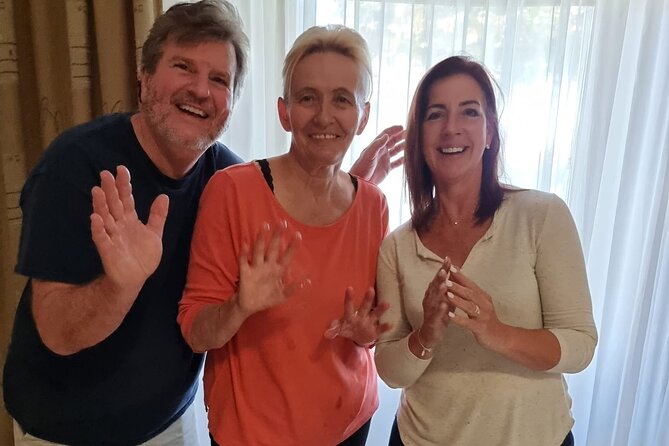
One of the best-tasting parts of this experience, from the family perspective, is the human welcome. The review info you provided mentions Dijana and her family as very welcoming and fun, with explanations of a bit of the history of the food and the area. That kind of context is not fluff. It helps you understand why certain techniques and dishes became standard locally.
So if you like your travel with a side of culture and conversation, this is a great fit. You get instruction plus an easy rapport, which makes the kitchen work feel lighter.
Practical tips so your dough day goes smoothly
Here’s how to set yourself up for success, based on what this class focuses on.
Go with dough patience. The spreading step is the learning curve. If you expect to nail it immediately, you will tense up. Aim for calm hands and steady practice.
Wear comfortable clothes. You will be working on a table and handling dough. Expect flour and a little mess, so think something you can tolerate getting dusty.
Plan for the village timing. The class starts at 10:00 am and runs around 2 hours 30 minutes. That pacing is great for a late-morning lunch, but it means you should not schedule anything tight right after.
Ask about the dough feel. If the host explains what good dough should feel like, ask and repeat it back. That mental image helps when you try it again later at home.
Keep drinks flexible. Alcohol is not included, and drinks are optional. If you want non-alcohol options, ask what is available in the household setting.
Who should book this pita class near Podgorica?
This is a strong choice if you:
- want a hands-on Balkan cooking skill, not just a tasting
- like home-style travel where you meet people and learn their methods
- are curious about regional food, including burek and zeljanica
- enjoy private experiences where you can slow down and ask questions
It is also a good fit for most travelers, because the class is set up as an experience that people can join even without prior dough-making skills. You might still get stretched dough trauma. That is normal. The point is that the host helps you through it.
If you are a hard-core foodie who loves learning technique, you will likely appreciate the focus on what makes pita work. And if you are traveling with a partner or small group, private sessions tend to feel worth it.
FAQ
What time does the pita making class start?
It starts at 10:00 am in Podgorica, Montenegro.
How long is the experience?
The experience lasts about 2 hours 30 minutes.
Is this tour private?
Yes. It is a private tour/activity, so only your group participates.
Where does the class take place?
You meet in Podgorica, Montenegro, then the class happens in a local village household outside Podgorica. It ends back at the meeting point.
Is hotel pickup available?
Hotel pickup and drop-off is available as an option, especially if you do not have a vehicle.
What dishes are included in lunch?
Lunch includes balkan pita, specifically burek and zeljanica.
Are alcoholic beverages included?
No. Alcoholic beverages are not included. Drinks are optional.
Can most people participate even if they are not experienced?
Yes. The experience states that most travelers can participate.
Are service animals allowed?
Yes. Service animals are allowed.
Can I cancel and get a refund?
Yes. You can cancel up to 24 hours in advance for a full refund.
Should you book this private Balkan pita class near Podgorica?
If you want one good cooking day in Montenegro that gives you a real skill, I’d book it. The value is in the technique, especially spreading the dough, plus the fact that lunch is included and tied to what you made. Add in the private household setting and the welcoming family vibe (including Dijana’s kind instruction), and it turns into more than a meal.
Just go in ready to get hands-on, accept that dough is tricky, and treat the mess as part of the process. If that sounds like your kind of travel, this is a very solid choice.
The Rest of the Montenegro File

Montenegro by the Glass and the Plate
Other Montenegro trips we have written up
Montenegrin Food & Wine Trails, compared.
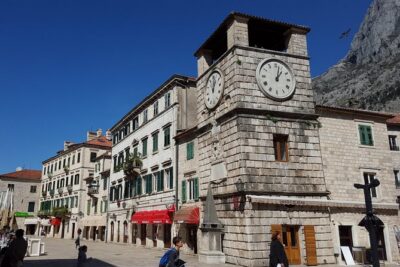 ★ 5.0Private Walking tour with Wine and FoodFrom $113197 reviews
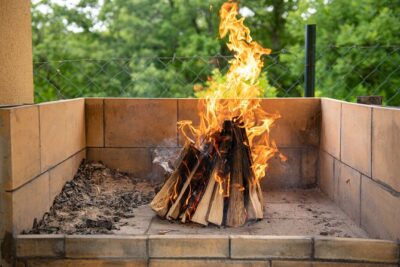 ★ 5.0Rumija 4×4 Experience w/ traditional lunch in Bar, MontenegroFrom $14571 reviews
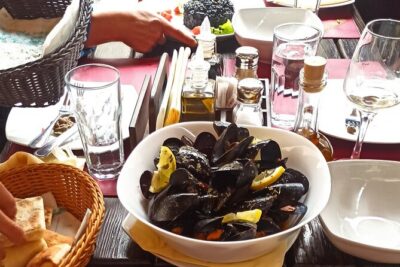 ★ 5.03 Hour Kotor Food Tour – Rick Steves’ RecommendedFrom $16846 reviews
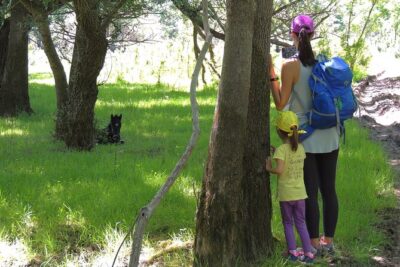 ★ 4.5Podgorica Historic, Safari and Winery tour – Skadar lake and River CrnojevicaFrom $11839 reviews
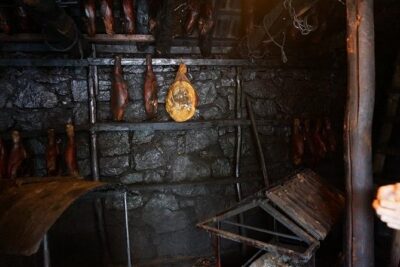 ★ 5.0Private tour: Homemade food and wine tasting at my family homeFrom $16739 reviews
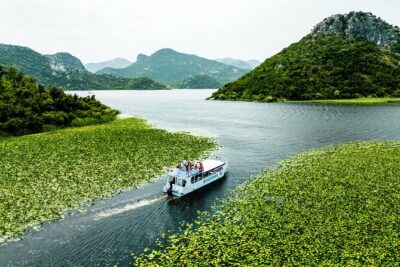 ★ 4.5Skadar Lake & Crnojevića River: Swimming, Snacks & WineFrom $4436 reviews
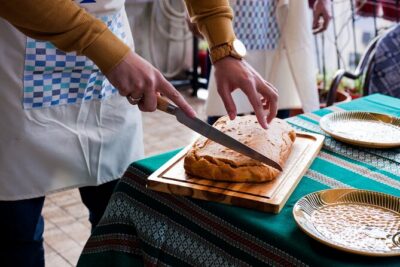 ★ 5.0Kotor private cooking class with lunch and Old town guided tourFrom $24835 reviews
 ★ 5.0Kotor Jeep Tour: Hidden Stone Village & Food TastingFrom $10134 reviews
Browse the lists this tour appears in